Mom and Baby Silhouettes Embroidery Review
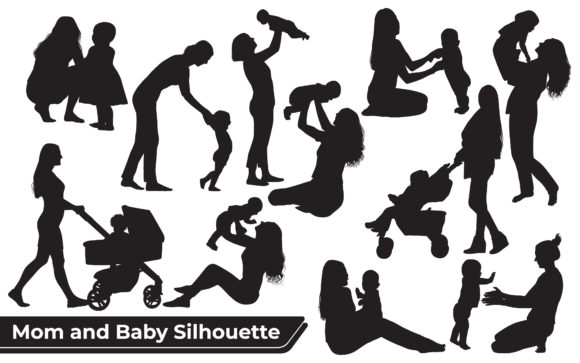
When I sit down to evaluate a new digital asset for my embroidery studio, I am rarely looking at just a picture. I am looking at how that image will translate into thread, how it will hold up on fabric, and whether it has the emotional resonance required to sell in today’s crowded handmade market. Recently, I pulled Collection of Mom and Baby Silhouettes from the Crafts and Graphics category to test its viability for real-world projects. This collection features black and white mom and baby silhouettes in various poses, provided in Adobe Illustrator and Encapsulated PostScript formats. While these vector files are excellent for graphic design, my primary concern as an embroidery reviewer is always: can this translate effectively into a machine embroidery design?
The First Impression: Mood and Visual Personality
The immediate strength of this collection lies in its simplicity. In a market saturated with intricate floral patterns and complex character illustrations, clean silhouettes offer a refreshing, modern aesthetic. The black and white theme creates a high-contrast visual personality that feels timeless. It evokes a sense of intimacy and nostalgia without being overly sentimental or cluttered. For a designer, this clarity is crucial. When you are stitching a machine embroidery design, every extra line and unnecessary detail adds complexity, time, and potential points of failure. These silhouettes strip away the noise, leaving only the essential shapes that define the bond between parent and child.
I found that the different poses included in the set provide versatility that is often missing in single-image packs. Whether the mother is holding the baby close, walking hand-in-hand, or simply standing together, there is a narrative quality to each pose. This allows for a cohesive brand story if you are creating a series of products. The visual weight of the silhouettes suggests they would perform exceptionally well as focal points rather than subtle background elements.
Real-World Application: From Screen to Stitch
To truly understand the value of this design, I imagined applying it to several common handmade product categories. The first scenario that came to mind was a custom embroidered tote bag. A large, centered silhouette on a canvas tote is a classic combination. Because the source files are vectors, you have the freedom to scale them up significantly without losing edge definition. This is vital for tote bag design, where the image needs to be visible from a distance. The solid black shape of the silhouette would contrast beautifully against natural canvas, denim, or even a muted pastel fabric, creating a striking embroidered patch effect even if stitched directly onto the fabric.
Another strong use case is sweatshirt embroidery. Hoodies and crewnecks are staples for Etsy sellers and craft fair vendors. A monochromatic silhouette works well here because it does not compete with the texture of the fleece or knit fabric. It sits cleanly on top, offering a sophisticated look that appeals to parents looking for personalized gift options. Similarly, for baby embroidery items like muslin blankets or bibs, the soft curves of the silhouettes convey gentleness. However, on such delicate fabrics, the density of the fill stitches must be managed carefully to avoid puckering.
I also considered its potential for holiday gifts. During the winter season, families often look for matching pajamas or kitchen towels. This collection could easily serve as a motif for a set of holiday embroidery themed aprons or tea towels. The universal appeal of the subject matter ensures broad customer recognition, which is key for driving sales in a competitive online marketplace.
Technical Considerations and Fabric Challenges
While the aesthetic appeal is high, practical execution requires caution. Not all fabrics play nice with bold silhouettes. If you plan to stitch this on dark fabric using standard black thread, you will need to ensure you are using a heavy enough fill stitch or perhaps a cut-applique technique to make the design pop. On textured fabrics, such as chunky knits or waffle-weave towels, the fine details of the smaller silhouettes might get lost. The fabric texture can interfere with the smooth edges of the vector shapes, leading to a less crisp final result.
Stretchy fabrics present another challenge. When embroidering caps, hats, or fitted t-shirts, the fabric tension can distort the hoop area. If the silhouette is too large relative to the hoop size, the stretching may cause the proportions of the figures to appear slightly warped after the hoop is released. It is essential to confirm the appropriate hoop size for your specific garment before committing to production. Additionally, on curved surfaces like baseball caps, the flat nature of a 2D vector file might not lay perfectly flat against the curve, potentially requiring digitizing adjustments to account for the three-dimensional shape.
Stitch Density and Detail Management
As a designer, I always advise checking the stitch density when converting these graphics into embroidery files. Silhouettes typically require fill stitches to cover the area completely. If the density is too low, the underlying fabric color may show through, ruining the solid black appearance. Conversely, if the density is too high, you risk needle breaks, especially on thinner fabrics like silk or lightweight cotton. You should inspect the small details, particularly around the hands and feet of the figures, to ensure they remain distinct and do not merge into a blob of thread.
For those using this as a digital embroidery file for commercial purposes, remember that the provided AI and EPS formats are graphic assets, not direct embroidery files (like .PES or .DST). You will need to digitize these vectors yourself or hire a digitizer. This gives you control over the thread colors and stitch types, allowing you to experiment with satin stitches for outlines or running stitches for a more sketch-like effect. Testing the design on scrap fabric first is non-negotiable. It allows you to review how the fabric texture interacts with the thread and adjust your stabilizer choice accordingly.
Brand Consistency and Customer Trust
In the world of craft business and small shop product development, consistency builds trust. Using a cohesive set like this collection allows you to create a recognizable brand identity. Customers appreciate when a seller has a clear aesthetic vision. When a buyer sees a matching set of a tote bag, a pillow cover, and a nursery wall hanging featuring the same artistic style, it signals professionalism and attention to detail. This visual harmony enhances the perceived value of the finished product, making customers more willing to pay a premium for what they perceive as a high-quality, boutique item.
Furthermore, the emotional connection inherent in the "mom and baby" theme drives engagement. People buy these items not just for utility, but for sentiment. A well-executed embroidery project that captures this emotion effectively becomes a cherished keepsake. By ensuring your technical execution matches the emotional intent of the design, you strengthen the bond between your brand and your customer.
Final Verdict and Practical Advice
Collection of Mom and Baby Silhouettes is a versatile and emotionally resonant asset that holds significant potential for embroidery designers and small business owners. Its clean lines and universal theme make it suitable for a wide range of applications, from custom apparel to home decor. However, success depends on proper preparation and technical execution.
Before launching any products based on this collection, take the following steps:
- Test on Scrap Fabric: Always run a test stitch-out on the actual fabric type you intend to use to check for puckering, distortion, or visibility issues.
- Check Thread Contrast: Ensure your chosen thread colors provide sufficient contrast against the fabric, especially if working with dark or patterned materials.
- Review Digitization: Since you receive vector files, carefully review the digitized version for optimal stitch density and appropriate stabilizer usage.
- Confirm Licensing: Verify the license terms before selling finished items or using the designs in commercial embroidery projects to protect your business legally.
- Create Printable Mockups: Use the original graphics to create high-quality printable mockup images for your Etsy listings and social media to visualize the final product before production.
By approaching this design with a critical eye and a focus on technical precision, you can transform these simple silhouettes into professional, market-ready embroidery projects that resonate with buyers and stand the test of time.